How to Photograph a Country Estate in Autumn: Light, Angles, and Access
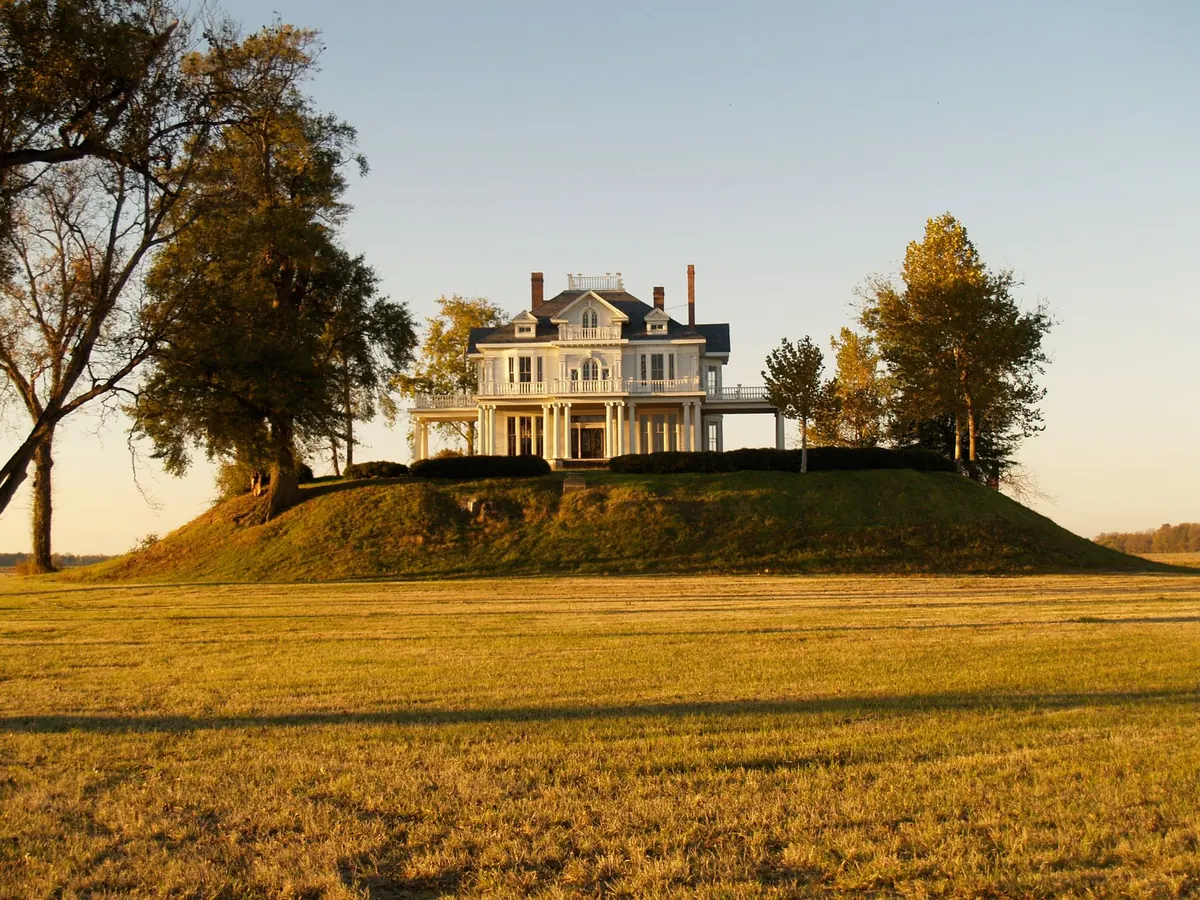
A country estate in late October is a gift and a trap. The beeches are copper, the gravel is dark with rain, and the light is brief before it flattens into grey. Meanwhile the best view of the house often lies across a field you have no business crossing. Good pictures here come down to timing, angles and one polite email sent a week in advance.
Start With the Light, Not the House
Autumn light is low, warm and short. In northern Europe, the useful window is often roughly the first two hours after sunrise and the last hour before sunset. Between them, the sun sits high enough to rake across stone but too flat to sculpt it. Plan your visit around that, not around how long it takes to drive there.
Mornings with mist
Clear, still nights followed by cold dawns produce mist in the parkland, and mist is the single most flattering thing that can happen to a distant house. It separates the building from a busy treeline, hides modern farm sheds on the horizon, and gives depth to a flat landscape. Arrive before sunrise. Mist burns off quickly, and the twenty minutes when it is thinning but still visible are the ones worth having.
Overcast days are not wasted
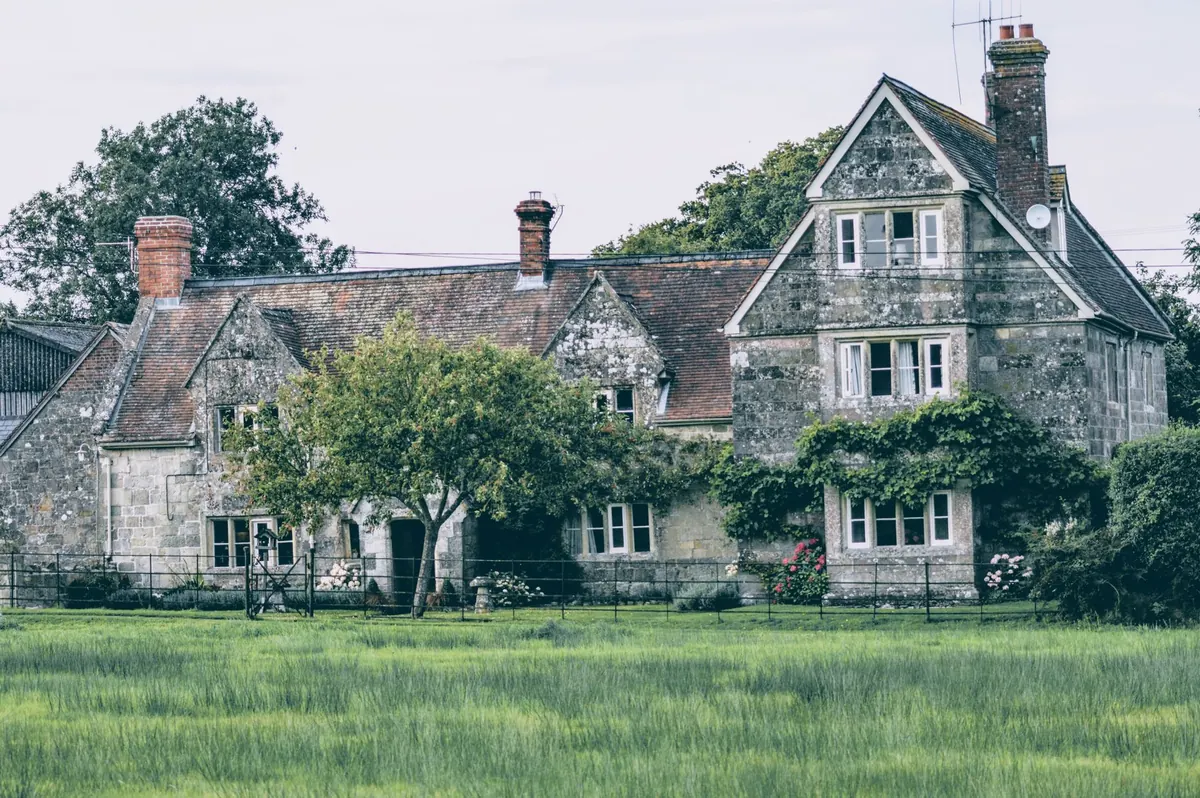
Soft, even light suits certain subjects: carved stonework, a walled garden, a gatehouse half-smothered in Virginia creeper, wet cobbles in a stable yard. What it does not suit is a wide view of a whole facade, which will look like a flat cut-out. Use grey days for details and for interiors if the house is open.
Wind matters more than you think
Long exposures and rustling foliage do not mix. A leaf that looks crisp in the viewfinder will be a smear at 1/4 second. Check the shutter speed honestly, raise the ISO if you must, and accept that a windy morning is a day for architecture rather than woodland.
Read the Building Before You Frame It
Estates are designed to be seen in particular ways. An eighteenth-century house may be arranged around a central axis, its approach deliberately positioned so the facade reveals itself in stages. Look for that structure before you lift the camera. Find the centre line of the front, note how the wings recede, and decide whether you are photographing the symmetry or deliberately breaking it.
Keep verticals vertical. The most common fault in estate photography is a house leaning backwards because the camera was tilted up from too close. Step back, raise the camera to chest height, or move to a spot where the building sits comfortably in the frame. Wide lenses exaggerate the problem; a mild telephoto compresses the wings and often looks more like the building you actually saw.
Angles That Work in the Parkland
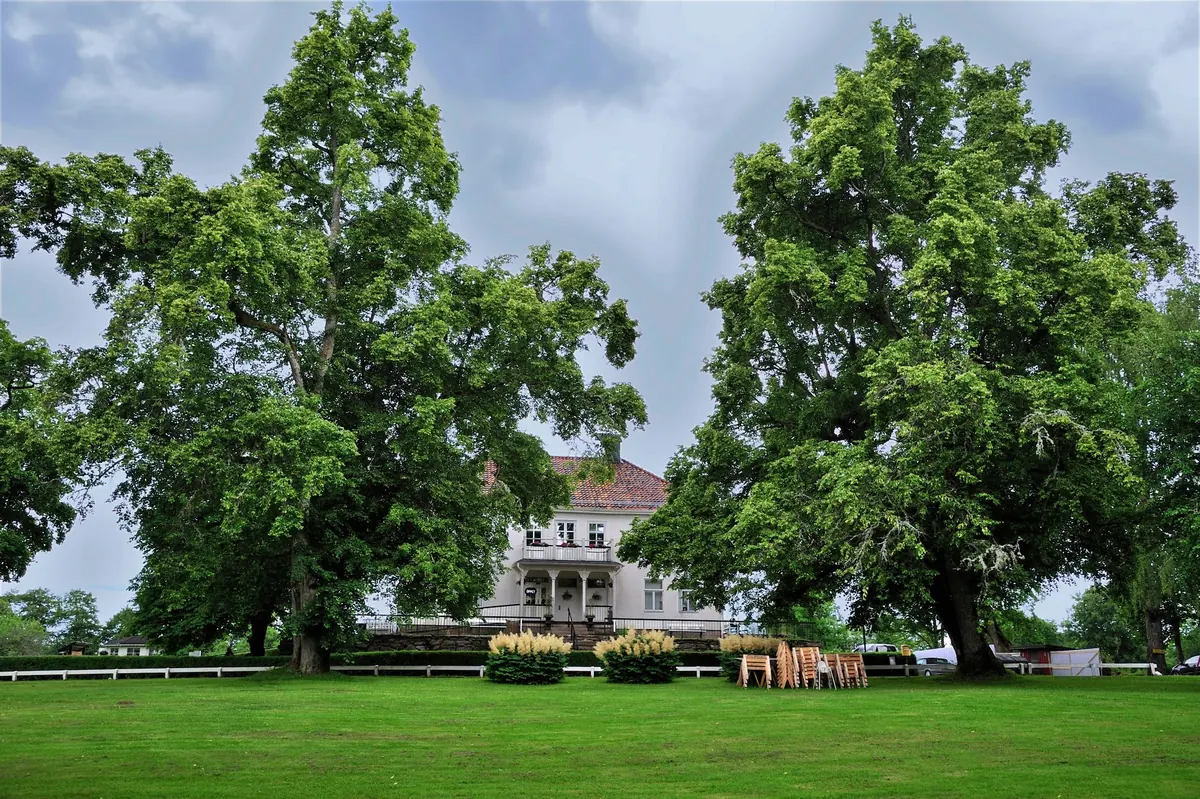
- The long approach: shoot down the drive with the house small and the autumn canopy large. The surrounding trees do more work than the building here.
- The three-quarter view: move 20 to 30 degrees off the front so two faces of the house are visible. Depth appears, and corner shadows give the stone weight.
- A borrowed frame: a stone arch, an iron gate, an avenue of limes, a gap in a hedge. Anything that encloses the view adds a sense of arrival.
- The water line: get low beside a lake, canal or ha-ha on a still morning. A reflection doubles the colour and calms a busy composition.
- The detail ladder: after the wide shots, work down through the scale — a studded oak door, a lead hopper, a stone urn, a name carved over a lintel, wet leaves on gravel.
- The elevated view: where a public path or open hill gives a legitimate vantage point, use it. Check the map and the signage rather than guessing.
Access: Footpaths, Permission and the Honest Ask
Most country estates sit somewhere between two extremes: fully open to ticket holders, or entirely private with a single public right of way crossing the park. A footpath gives you the line of the path and nothing more. It does not extend to the field either side, into courtyards, gardens, stable yards, walled areas or interiors, and it does not permit tripods in places where staff have asked for clear walkways.
Before a serious trip, check the estate's own website for a photography policy. Many welcome casual photographers but have separate arrangements for commercial work, wedding or portrait shoots, and drone use. If you are unsure, email the estate office with the date, roughly where you would like to stand, the equipment you are bringing, and whether the pictures are personal or commercial. Offering to share a few images afterwards costs nothing and is remembered.
On the day: stay on the path, shut gates behind you, keep off lawns and out of crop, give livestock and deer a wide berth, and take note of shooting or estate-work signs. Drones are restricted at many estates regardless of what the national aviation rules allow, so check both.
Access rules differ by country, by estate and by season, and they change. Treat the guidance above as a starting point, check the estate's own policy and local signage, and seek proper advice if a shoot is commercial.
Kit and Settings That Earn Their Place
- A polarising filter. It cuts glare from wet stone and deepens foliage. Rotate it slowly and watch the sky for uneven darkening at very wide angles.
- A tripod. Useful in low light and for keeping composition consistent while you refine it, though check whether it is welcome inside.
- Exposure for the highlights. Pale limestone blows out fast. Protect the stone, let the shadows sit darker, and lift them later if needed.
- Raw files and bracketing. High-contrast facades and bright skies rarely fit one frame comfortably.
- Aperture around f/8 to f/11 for architecture, with a check on shutter speed when leaves are moving.
- A cloth and a plastic bag. Autumn weather turns, and a wet lens ends the day early.
A Ninety-Minute Field Routine
- Arrive in the dark or the half-light. Park legally, then walk the perimeter to see how the house reveals itself.
- Shoot the mist, the long approach and the water while the light is soft and low.
- As the sun lifts, move to the three-quarter view and the framed shots.
- When contrast hardens, switch to details, interiors or shaded courtyards.
- Review on the back of the camera, checking highlights on the stonework.
- Come back for the last hour of light, when the same building looks like a different place.
The Habit Worth Keeping
Estate photography rewards patience more than gear. The house will still be there next autumn, and the trees will be a slightly different colour. Shoot the obvious view first, then spend the rest of your time looking for the one angle nobody else bothers with: the corner of a walled garden at first frost, a gatepost with a drift of leaves against it, the reflection of a chimney in a puddle on the drive. Walk slowly, ask before you assume, and leave the parkland exactly as you found it.
Photo: Willy Bearden / Pexels