Accessible Manor Stays: A Checklist for Mobility, Parking, and Ground-Floor Rooms
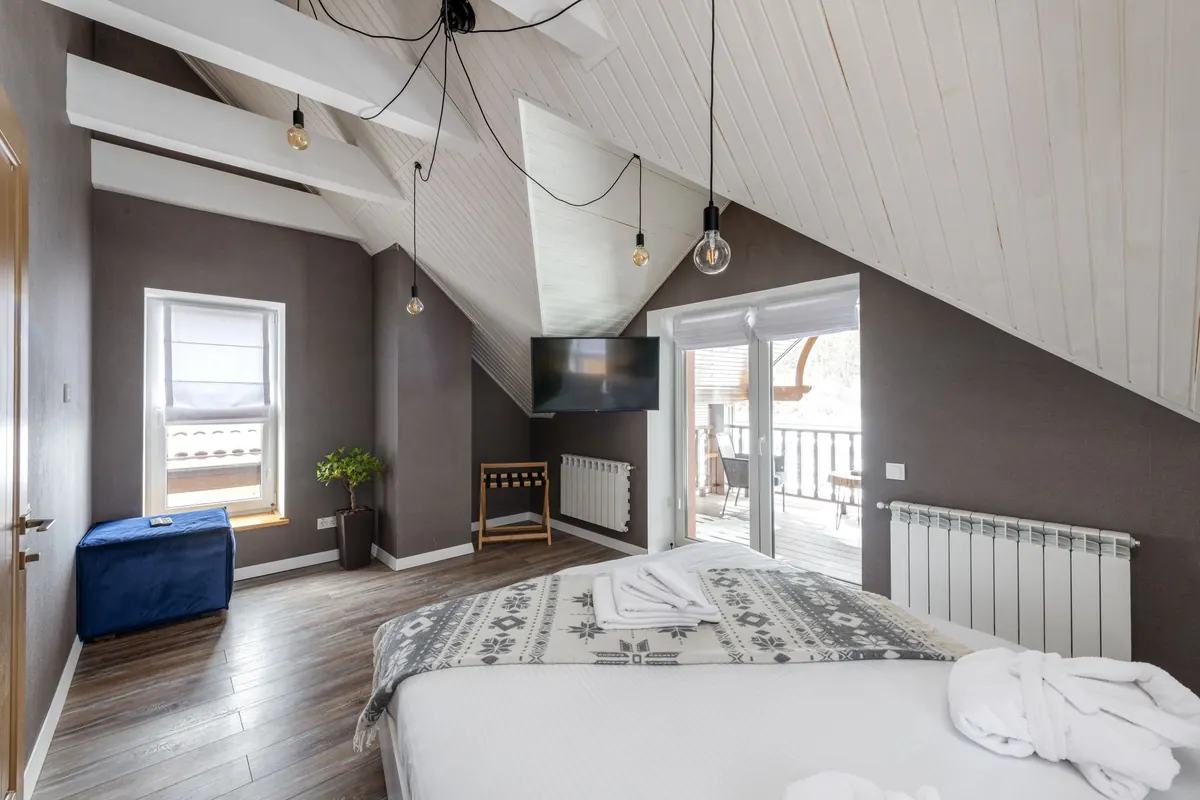
Manor houses were designed to impress from a distance and to slow you down at the door. That is part of their charm, and it is also why an accessible stay in one takes more homework than booking a modern hotel. The photographs show the drawing room, the parkland and the four-poster bed. They rarely show the three-inch step into the hallway, the gravel between the car park and the entrance, or the bathroom door that opens inward. The following is the checklist worth working through before you pay a deposit.
Start at the gate, not at the bedroom
The room is only half the journey. What happens between the car and the bed usually decides whether a stay feels easy or exhausting.
Ask where a vehicle can stop, and how far that is from the entrance in metres rather than adjectives. "A short walk from the car park" can mean thirty metres of level tarmac or two hundred metres of loose gravel with a slope in the middle. Ask about the surface specifically: gravel, cobbles, grass, cattle grid, wooden bridge. Ask whether the drop-off is under cover, because unloading a wheelchair in horizontal rain is a different proposition.
Then ask about the final approach to the door. Many manors have a raised threshold, a stone step, or a ramp that is steeper than it looks. If you are arriving after dark, ask about lighting along that route; listed lamp posts are lovely and often dim.
Ground floor does not automatically mean step-free
This is the single most common misunderstanding. In an older building, a room described as ground floor may sit three steps up from the hall, down a short corridor with a lip, or across a flagged floor with a raised door bar.
Ask for door widths in centimetres. Period doorways can be narrower than you expect, and a wheelchair, a walker or a wide mobility scooter needs clearance plus a little margin for hands and knuckles. Ask whether the bathroom door opens in or out — an inward-opening door can block a transfer. Ask about turning space inside the room and in the corridor outside it. If there is a lift, ask what it takes, whether it serves every level you need, and whether a member of staff has to operate it.
Questions worth putting to the manor about the route
- How many steps, if any, between the entrance and the room door?
- Are there thresholds or lips on the way, and how high?
- What is the clear door width of the bedroom and bathroom?
- Is the route level throughout, or are there ramps, and how steep?
- Can you send photographs of the actual route and the actual room?
The bathroom usually decides the stay
A "walk-in shower" is a phrase that means different things in different buildings. Sometimes it is a level wet room. Sometimes it is a shower tray with a step of a few centimetres, which is fine for some guests and impossible for others. Ask which one it is, and ask about the floor surface.
Then work through the details: fixed grab rails beside the toilet and in the shower, a shower seat or stool available on request, a handheld shower head, a sink at a comfortable height, and enough clear floor to turn. Ask whether the toilet has space on the transfer side. Ask whether the bathroom floor becomes slippery when wet and what they use to manage it.
If an adaptation is essential rather than merely welcome, ask for it to be confirmed in writing, along with a photograph. Verbal reassurance over the phone is well meant and easily lost between shifts. And if your needs are clinical — hoists, transfers, pressure care, oxygen — the right person to turn a hotel's answers into a yes or no is your own occupational therapist or care team, not the reservations desk.
Parking, arrival times and moving parts
Ask how many accessible bays exist, where they sit relative to the entrance, and whether they can be reserved or are first come, first served. Ask about the bay surface; a marked space on gravel is not the same as one on tarmac. If you drive an electric vehicle, ask whether charging points are close to the entrance or at the far end of the grounds.
One detail catches people out at manor hotels: weddings and events. A car park that looks calm on a Tuesday may be rearranged, coned off or full on a Saturday, and you may be asked to move your vehicle. Ask directly whether anything is scheduled during your stay and whether your bay will still be yours.
Finally, confirm the practicalities of arrival. What is the earliest check-in, is there someone to help with luggage, and is staff cover on site overnight? In a large house, a twenty-minute wait for someone to appear at the door matters more than it would in a city hotel.
Getting there and getting out again
If you are travelling without a car, the journey is part of the booking. Ask how far the nearest station is, whether it has step-free access to the platform you will use, and whether the taxi rank there has accessible vehicles. Manners matter here: rather than assuming, ask the manor which local firm they use for accessible transfers and then ring that firm yourself to confirm availability, vehicle type and whether they work late.
Ask about the village or town as well. How far is it, is there a pavement the whole way, and is it lit? Manor stays are often rural, which is the point, but it can mean that every meal out requires a car. If you would rather not drive in the evening, check whether the restaurant on site is open on the nights you are there, and whether they can serve you somewhere comfortable rather than up a flight of stairs.
Put the answers in one email
Before booking, send a single message with your questions and ask for a written reply.
- State what you use: wheelchair, walker, crutches, scooter, or simply a preference to avoid stairs.
- List the essentials — step-free route, door widths, bathroom layout, parking distance.
- Ask for photographs of the room, bathroom and route from the entrance.
- Ask for the name of the person confirming the details, and keep their reply.
- On arrival, look at the route before you unpack, and raise anything that does not match.
Knowing when to book and when to keep looking
A good manor will answer these questions cheerfully and precisely, because staff who know their building well are rarely vague. Vagueness is the signal to slow down. So is a reply that describes the hotel in general terms rather than the specific room you would be given.
When the answers are clear, though, an accessible manor stay can be genuinely lovely: high ceilings, quiet grounds, a garden you can reach without a fight. Ask the questions, get them in writing, and then enjoy the house.
Photo: Max Vakhtbovych / Pexels