A Beginner's Guide to Booking a Stay in a Historic Manor
A manor stay is not a hotel stay with older wallpaper. You are often sharing a house with the family who owns it, or with a small team who treat it as one. Dinner might be at a single sitting. The front door might be locked at eleven. None of that is a problem — it is the reason to go — but it helps to know what you are agreeing to before you pay a deposit.
What follows is the practical side of booking: how the rooms are described, why the phone beats the booking platform, what meal plans actually cover, and how to behave so that everyone, hosts included, has a good week.
Room Types, Decoded
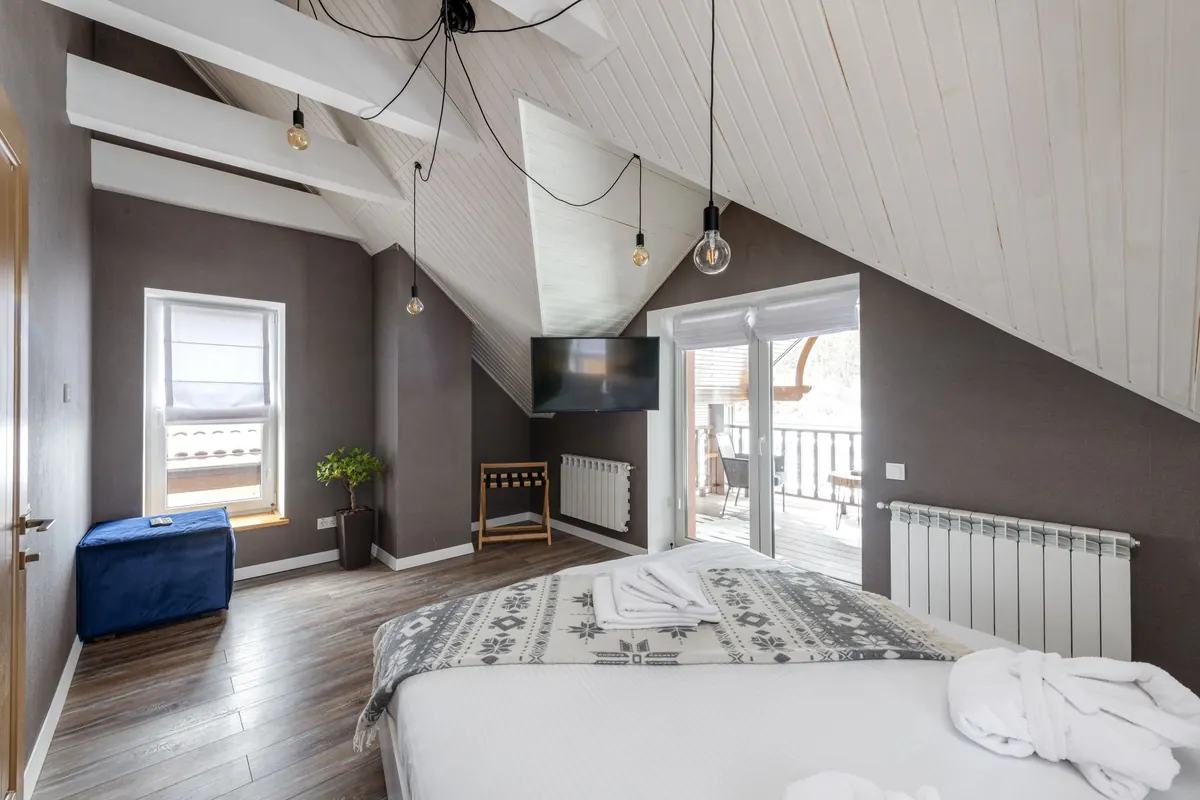
Manor websites use grand-sounding vocabulary that often just describes the building's history. A "standard double" might be a lovely room over the old kitchens with a low beam and a view of the walled garden. A "feature room" simply means it has something — panelling, a fireplace, a bay window, an original bedstead.
The categories you'll meet most often
- Classic or standard rooms: the smallest and usually the best value. Often at the back of the house.
- Feature or superior rooms: larger, or with a genuine architectural detail worth paying for.
- Four-posters: ask whether the bed is a standard double or a king, and how tall the canopy sits. They are romantic and occasionally cramped.
- Suites: bedroom plus sitting room. Ask whether the sitting room has a door — in older layouts, it sometimes doesn't.
- Garden or courtyard rooms: often converted stables or coach houses. Quieter, but a short walk from the main house, which matters in the rain.
- Self-catering cottages: more freedom, less of the house. Check whether you still get access to the main rooms.
Ask about stairs before you book. Many manors have no lift, and some bedrooms sit up a narrow spiral. If anyone in your party has mobility difficulties, request a ground-floor room and a step-free entrance, and ask for a quick description of the route from car park to bedroom door. Bathrooms deserve a question too: a "bath with shower attachment" is not a walk-in shower, and in a listed building it never will be.
Booking Direct: Worth the Extra Email
Booking platforms are convenient, but they take a commission, and the person who answers the manor's own phone knows which room is above the kitchen and which looks over the rose garden. That conversation is the whole advantage.
- Find the house's own website and use its booking page or phone number.
- Email with your dates, the number of guests, and any needs — a cot, a ground-floor room, a dog.
- Ask which room they would choose for you, rather than which is cheapest. Hosts are usually honest about this.
- Confirm what's included, the deposit, and the cancellation window in writing.
- Ask about midweek rates or quieter periods. Many houses have more flexibility outside summer weekends.
Get the room name in your confirmation, not just "double room". Read the cancellation terms before you pay, and if the sum is significant, consider travel insurance. Then ask the small questions: earliest check-in, latest arrival, where to park, whether the drive is lit at night.
Meal Plans and What They Really Include
You will see room only, bed and breakfast, dinner bed and breakfast, half board and full board. In a manor, dinner is usually a set menu served at one sitting, often around seven or half past. You may not be offered a choice on the night; sometimes you choose at breakfast. If you are vegetarian, gluten-free or simply fussy, say so when you book — small kitchens can plan ahead but rarely improvise at short notice.
Breakfast is often cooked to order in the old dining room within a fixed window, perhaps eight until half past nine. Late sleepers get caught out. It is also worth checking the geography: the nearest pub may be a twenty-minute drive down unlit lanes, and rural taxis need booking hours in advance, not at midnight. If you intend to drink, either eat in the house or arrange the taxi before you arrive.
Minimum Stays, Events and Seasons
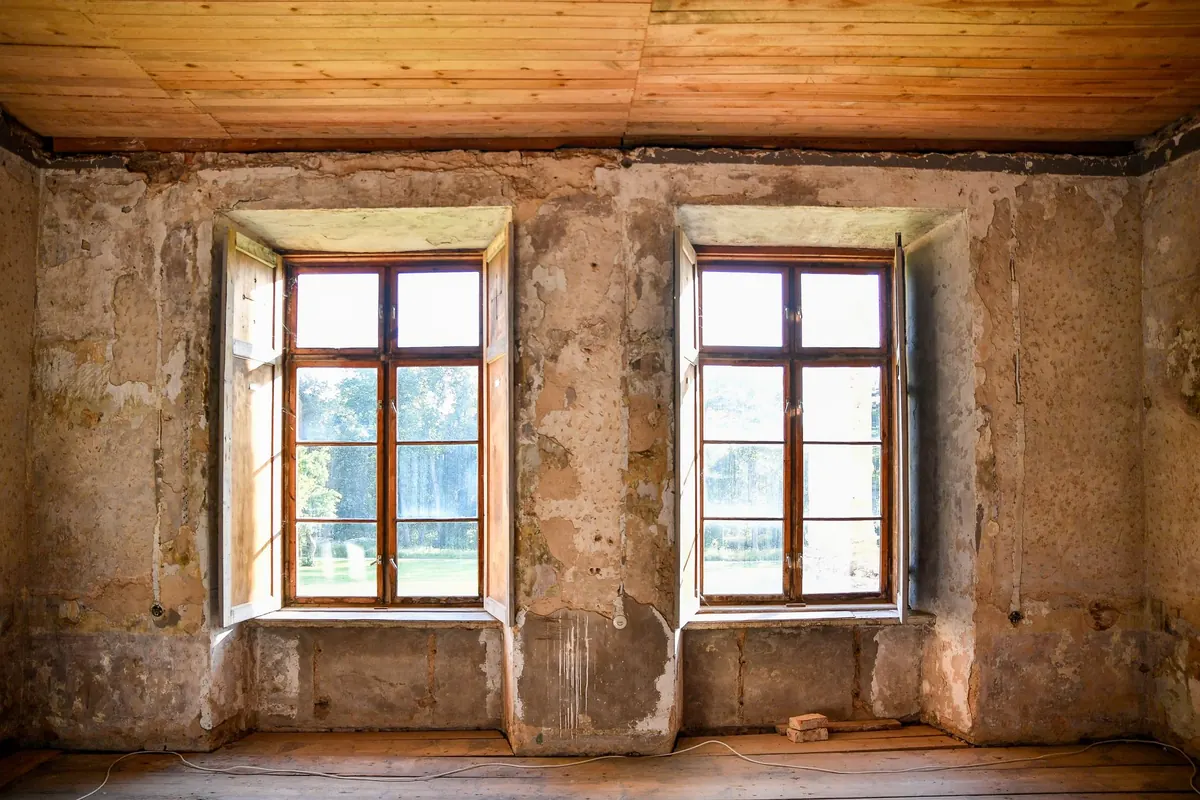
Many houses ask for two nights at weekends and three over bank holidays. Some close entirely for weddings, house parties or shooting parties, so check dates before you build plans around them. Winter weekdays and early spring are often quieter and better value, though a wing or the grounds may be closed for restoration — worth asking about directly.
If an event is running during your stay, ask whether you will hear it. Good hosts will tell you the truth. If you are travelling for a specific reason — an anniversary, a proposal, a quiet reading week — mention it. Manors tend to rise to an occasion when they know about it.
Manor Etiquette: What Actually Matters
- Arrive inside the stated window. There is rarely a twenty-four-hour desk, and a late arrival can mean a key in a box or someone waiting up.
- Treat closed doors as closed. "Private" means private, even when a corridor looks inviting.
- Don't move furniture or carry pieces between rooms. Ask; the answer is usually yes.
- Ask before bringing a dog, keep it on a lead around livestock and deer, and never on the beds.
- Children are welcome in many houses and not all. Ask about ponds, staircases and whether dinner suits a young family.
- Smart casual covers almost every occasion. If the house mentions a jacket for dinner, it means it.
- Old buildings carry sound. Keep voices low in corridors after ten.
- Tipping is not obligatory. A discreet note in the visitors' book is just as welcome.
- Report breakages. Honesty costs far less than an awkward email three weeks later.
The Week Before You Go: A Short Checklist
- Reconfirm your arrival window and how you will collect the key.
- Email any dietary needs and room requests so they are on file.
- Save the postcode and the phone number — satnav often sends drivers to the wrong gate on a private drive.
- Ask where to park and whether the route is lit.
- Pack layers and soft slippers. Stone floors and timed heating are part of the charm.
Do those five things and the stay itself becomes simple: arrive, put your phone down, and let the house do the rest.
Photo: Margo Evardson / Pexels